
Healthcare approaches may differ in how they evaluate symptoms, health concerns, and overall wellbeing. Understanding these differences can help individuals make informed decisions about their healthcare journey.
Conventional medicine plays an essential role in diagnosing, treating, and managing acute and chronic medical conditions. It often focuses on identifying diseases, relieving symptoms, and providing evidence-based treatments that support patient care.
Functional medicine shares the goal of improving health and quality of life but takes a broader view of how different systems within the body interact. It places additional emphasis on understanding the factors that may contribute to symptoms and long-term health patterns.
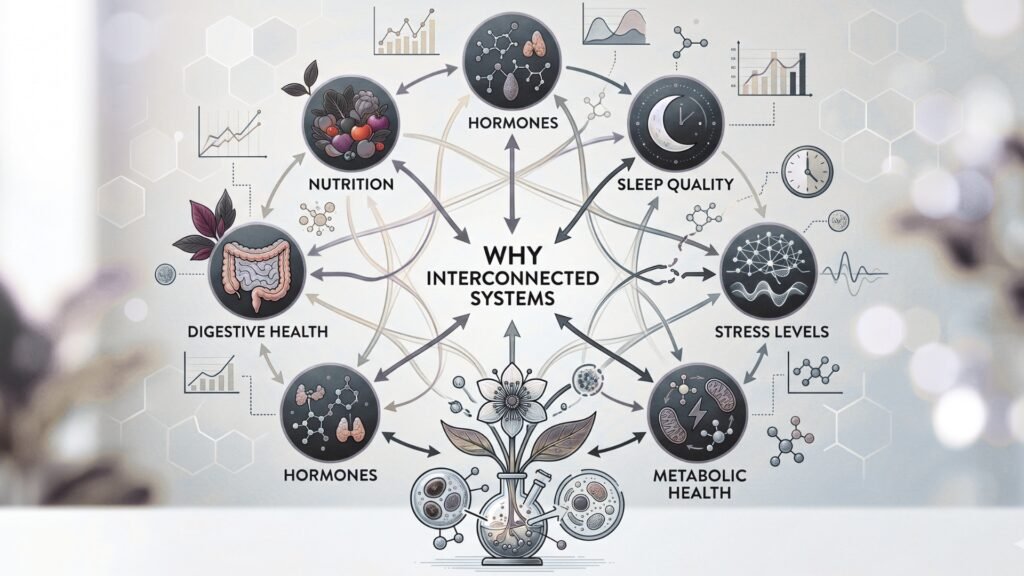
Areas commonly explored within a functional medicine framework include nutrition, digestive health, sleep quality, stress levels, physical activity, metabolic health, environmental influences, and hormone balance.
Rather than asking only “What condition does this person have?”, functional medicine also explores questions such as “Why might these symptoms be occurring?” and “What factors may be influencing overall wellbeing?”
This whole-body perspective recognizes that many systems are interconnected. Digestive health can influence hormone health. Sleep can affect metabolism. Stress can impact digestion, energy, and overall wellness.
Many individuals appreciate a personalized approach that considers lifestyle habits and health history alongside symptoms and laboratory findings.
At her clinic, Dr. Ayesha Ali uses a functional medicine approach to help patients better understand the relationships between different aspects of their health. By looking at the whole picture, patients often gain a deeper understanding of factors influencing their wellbeing.
Both conventional and functional medicine aim to support health. The difference often lies in how symptoms and contributing factors are evaluated.
✨ Understanding the root influences behind symptoms may help support more informed and personalized health decisions.